February 2, 2026
Owning a car involves more than simply driving from one destination to another. Vehicle ownership requires an ongoing awareness of how different systems operate and what maintenance or repairs may be needed over time.
Understanding common auto repairs helps drivers make informed decisions, reduce unexpected breakdowns, and plan maintenance proactively rather than reacting during stressful situations. AMG Autobahn Motor Group provides professional auto repairs for luxury vehicles, covering both routine maintenance and targeted mechanical services that support long-term reliability and performance.
Many mechanical problems follow predictable patterns as vehicles age and accumulate mileage. According to ConsumerAffairs, the four most common categories of auto repairs include issues with the electrical system, cooling system, engine and transmission, as well as fuel-related issues. Recognizing these categories helps drivers understand where problems are most likely to occur and why early inspections play such an important role in preventing expensive breakdowns.
Oil Changes and Routine Maintenance
Oil changes remain one of the most common auto repairs performed on modern vehicles and one of the most effective forms of preventative care. Clean engine oil lubricates internal components, helps manage heat, and reduces friction that leads to premature wear. Routine oil changes significantly reduce the risk of major auto repairs associated with engine damage, overheating, or internal sludge buildup.
Routine maintenance goes beyond oil alone and includes inspections of fluids, filters, belts, and general engine condition. These smaller auto repairs are often overlooked, yet they play a major role in maintaining overall vehicle health. Addressing maintenance needs early helps drivers avoid larger, more costly mechanical failures down the road.
Brake Service and Repair
Brake service is one of the most safety-critical auto repairs drivers encounter throughout vehicle ownership. Brake components naturally wear down over time due to constant friction and heat. Worn brake pads, damaged rotors, or compromised braking systems can significantly reduce stopping power and increase stopping distance.
Timely brake auto repairs help prevent additional damage to related components and maintain safe driving conditions. Warning signs such as squealing noises, vibration, or reduced responsiveness should never be ignored. Consistent brake inspections provide peace of mind and help drivers remain confident behind the wheel.
Auto Diagnostic Services
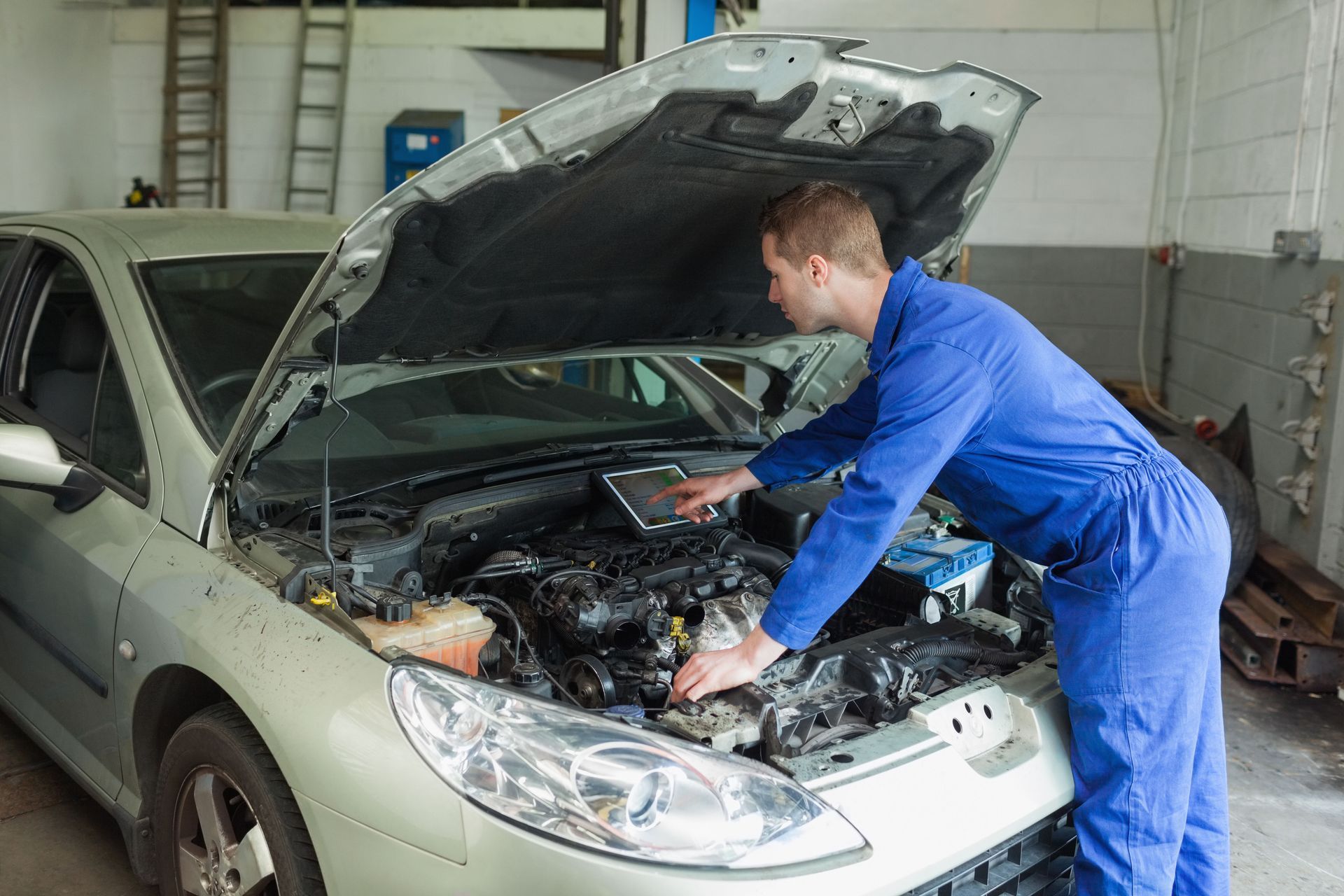
When a vehicle behaves differently than normal, diagnostic services play a crucial role in identifying the cause. Modern auto repairs rely heavily on diagnostic technology to assess engine performance, electrical systems, and sensor data accurately. Diagnostic scanning helps technicians pinpoint issues efficiently without unnecessary trial and error.
Early diagnostic auto repairs often prevent small issues from becoming major mechanical failures. By identifying problems at their source, diagnostics reduce repair time, minimize costs, and help drivers avoid extended downtime caused by unexpected breakdowns.
Air Conditioning Service and Repair
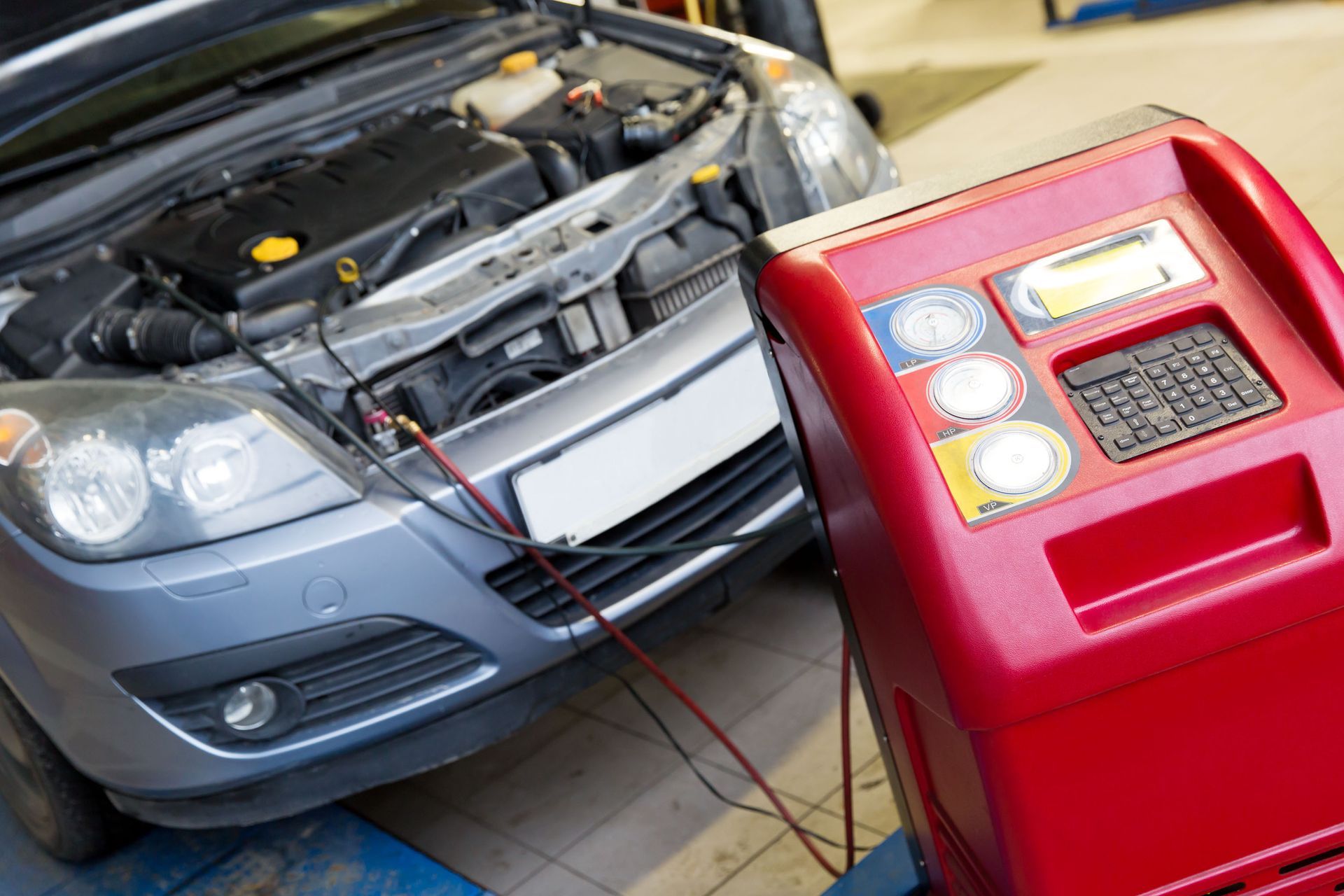
Air conditioning issues are among the most common auto repairs, especially in regions with warmer climates. Reduced cooling, weak airflow, or unusual odors often indicate system inefficiencies or component failure. Air conditioning systems rely on multiple interconnected parts, making early service important for overall performance.
Ignoring AC problems can lead to additional electrical or cooling system auto repairs. Routine inspections help identify leaks, failing compressors, or worn components before comfort and performance are compromised further.
Battery Replacement
Battery-related failures are some of the most frequent auto repairs drivers experience and typically fall under electrical system issues. A weakening battery may cause slow engine cranking, dim lighting, or complete power loss. These issues often appear without warning, making regular testing important.
Replacing a battery at the right time helps prevent unexpected breakdowns and reduces strain on alternators and other electrical components. Proactive battery auto repairs contribute to more reliable vehicle starts and consistent electrical performance.
Belts, Hoses, and Cooling System Services
Belts, hoses, and cooling components work together to regulate engine temperature and power delivery. Over time, exposure to heat and pressure causes these parts to degrade. Cracked hoses or worn belts can quickly lead to overheating or engine failure.
Cooling system auto repairs are especially important because overheating can cause immediate and severe engine damage. Regular inspections allow technicians to replace aging components before failure occurs, protecting the engine and maintaining consistent performance.
Fuel System and Transmission Repairs
Fuel delivery and transmission systems directly impact how a vehicle accelerates, shifts, and responds while driving. Fuel-related auto repairs address issues such as hesitation, rough idling, or reduced fuel efficiency. Transmission auto repairs focus on restoring smooth gear changes and consistent power transfer.
Because these systems are closely connected to engine operation, problems in one area can quickly affect overall vehicle performance. Early service and accurate diagnostics help prevent cascading failures that result in more expensive repairs.
Exhaust System Repair and Performance Support
Exhaust system auto repairs affect emissions control, fuel efficiency, and engine airflow. Leaks or damaged components may cause increased noise, unpleasant odors, or reduced performance. Maintaining the exhaust system supports proper engine breathing and compliance with emissions standards.
Routine inspections help identify corrosion or damage early, allowing repairs to be completed before additional components are affected.
Why Proactive Auto Repairs Matter Over Time
Proactive auto repairs play a major role in extending the lifespan of any vehicle. Many mechanical failures do not occur suddenly but develop gradually as components wear down or systems fall out of balance. Addressing small issues early allows drivers to avoid sudden breakdowns and the stress that comes with unexpected repair needs. Preventative auto repairs often cost significantly less than emergency repairs caused by system failures.
Routine inspections help uncover hidden problems that may not immediately affect drivability. Electrical connections, cooling system components, and fuel delivery parts can degrade quietly over time. Scheduling inspections allows these auto repairs to be addressed before warning lights appear or performance noticeably declines.
How Driving Habits Influence Repair Frequency
Driving habits have a direct impact on how often auto repairs are needed. Frequent short trips, aggressive acceleration, or extended idling can place additional strain on engines, transmissions, and fuel systems. Over time, this stress increases wear on components and accelerates the need for repairs.
Consistent highway driving typically places less strain on vehicles than stop-and-go traffic. However, regardless of driving style, regular maintenance inspections help offset wear caused by daily use. Understanding how habits affect vehicle health allows drivers to adjust maintenance schedules and plan auto repairs more effectively.
The Importance of System Interconnectivity
Modern vehicles rely on tightly integrated systems that depend on one another to function properly. Electrical, fuel, cooling, and drivetrain systems work together to maintain performance and efficiency. A failure in one system often impacts others, leading to compounded auto repairs if not addressed promptly.
For example, cooling system issues can cause overheating, which may affect engine performance and transmission operation. Electrical problems can interfere with sensors that regulate fuel delivery and emissions. Understanding this interconnectivity reinforces why timely diagnostics and coordinated auto repairs are essential.
Seasonal Factors That Affect Auto Repairs
Seasonal weather changes can influence the frequency and type of auto repairs needed. Extreme heat places stress on cooling systems, batteries, and air conditioning components. Cold temperatures affect batteries, fluids, and rubber components such as hoses and belts.
Seasonal inspections help drivers prepare their vehicles for changing conditions. Addressing weather-related wear early reduces the likelihood of sudden failures and supports consistent performance year-round. Seasonal auto repairs help drivers stay ahead of predictable environmental stressors.
Understanding common auto repairs allows drivers to take a proactive approach to vehicle ownership rather than reacting to emergencies. From routine maintenance to complex diagnostics, staying informed helps protect vehicle performance, safety, and long-term reliability. Recognizing how electrical, cooling, fuel, and drivetrain systems interact empowers drivers to respond quickly when warning signs appear.
Consistent attention to auto repairs supports smoother driving, fewer unexpected breakdowns, and greater peace of mind throughout the life of the vehicle. When drivers understand what services their vehicle may need and why those services matter, maintaining reliability becomes far more manageable. Contact AMG Autobahn Motor Group today to learn more.